
A current discussion among Youtube music creators and others is the use of AI for music creation, and of course also the threat that AI may replace us. It is clear that there are many aspects to analyze (1).
One use of AI is to create new music for specific artists based on old material. New Beatles songs based on previously recorded, unreleased material has been created by extracting John Lennon's voice from demo recordings and mix with new recordings (2). Fully AI-created songs for artists that are not even involved can be made by training AI on their song catalogue. Examples of this is are experiments that try to mimic older composers, e.g. Beethoven (3, 4). Recently the quality of artificially created vocals has reached a level where it is possible to charge for the use of these AI vocalists (5) . This is for example used for giving the virtual influencer Noonooyri a voice (6).
Also, completely new music can be created through generative AI. There is a host of AI-created songs on Spotify based on specific styles, especially instrumental tracks and sometimes AI-generated music is difficult to distinguish from music written by humans. Spotify has announced that they will not remove AI generated music as long as it does not mimics a real artist (7).
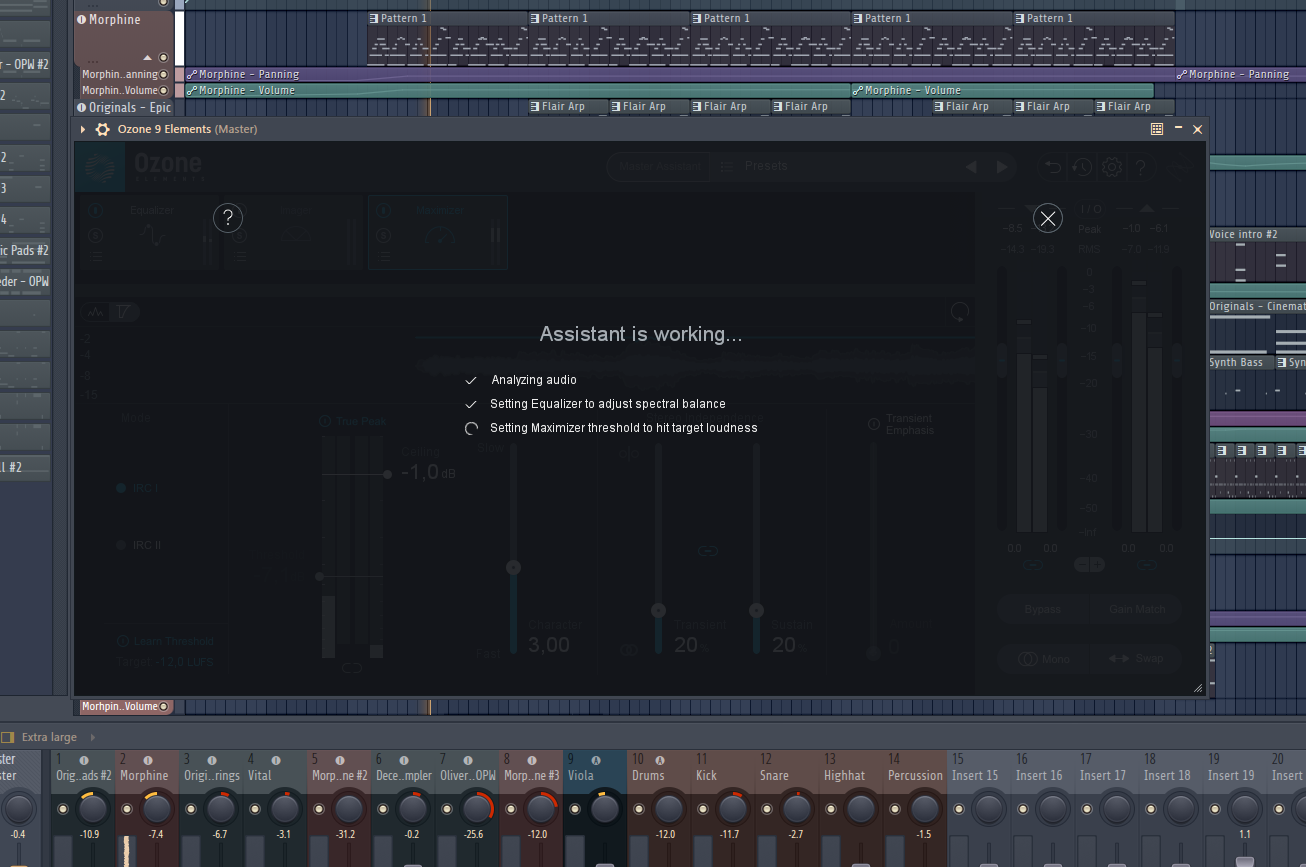
Another use of AI is that many tools that producers use today are using AI to speed up processes, for example when mixing and mastering (8), and to create new sounds. This is very helpful, especially for independant artists that need to handle the whole chain from idea to mastered track.
So is there a future for human composers and songwriters? AI can be used to simplify the technical aspects and also inspire, but my opinion is that the ability to be creative, to find new ways that are also interesting differentiates what is created by AI from what is done by songwriters. AI can create new things, but it still takes a human to see if the new thing is interesting. What makes music engaging is usually that it creates emotions, and this is what AI (currently) cannot discern. On the surface it's easy, you can create a piece that tries to evoke a sense of melancholy by using certain chords and scales, but you still need to find the right feeling.
What I think (influenced by various thinkers on the subject) is that there are three things that are needed and that are difficult to do with AI. Expressiveness reflects the music's inherent feeling conveyed to the listener. The listener's cognitive ability reinforces this by connecting the music to memories, assumptions, and expectations. This is one of the aspects that make the cultural background important for how we perceive music. The third, and most difficult, part is aesthetics. It is based on what is perceived by the listener as good, nice, provocative or meaningful in any other way. Really elusive, isn't it. That's also the point, this elusive is what makes it hard for AI to make truly good music and is also a reason for why humans need to be involved to get meaningful results. Likely, the AI ability will improve over time but currently the results from AI generated music is for me something that only will mimic what's popular.
1) https://en.wikipedia.org/wiki/Music_and_artificial_intelligence
2) https://en.wikipedia.org/wiki/Now_and_Then_(Beatles_song)
3) https://www.linkedin.com/pulse/how-artificial-intelligence-completed-beethovens/
4) https://open.spotify.com/album/1gwN1NQx7Pl4zsIaETdUWC?go=1&nd=1&dlsi=1be529a1df8140fd
6) https://www.virtualhumans.org/article/noonoouri-fashion-icon-turned-pop-star
8) https://www.makeuseof.com/ai-tools-to-mix-master-music